Visas and residency in Bali: an overview of grounds
We flew to Bali for two weeks and ended up staying — and the first wall we hit was visas. We tell it from our own experience and by the facts: short-stay visas and the visa run, KITAS types and the sponsor, the Second Home Visa. With no promises of outcome.
How the island kept us
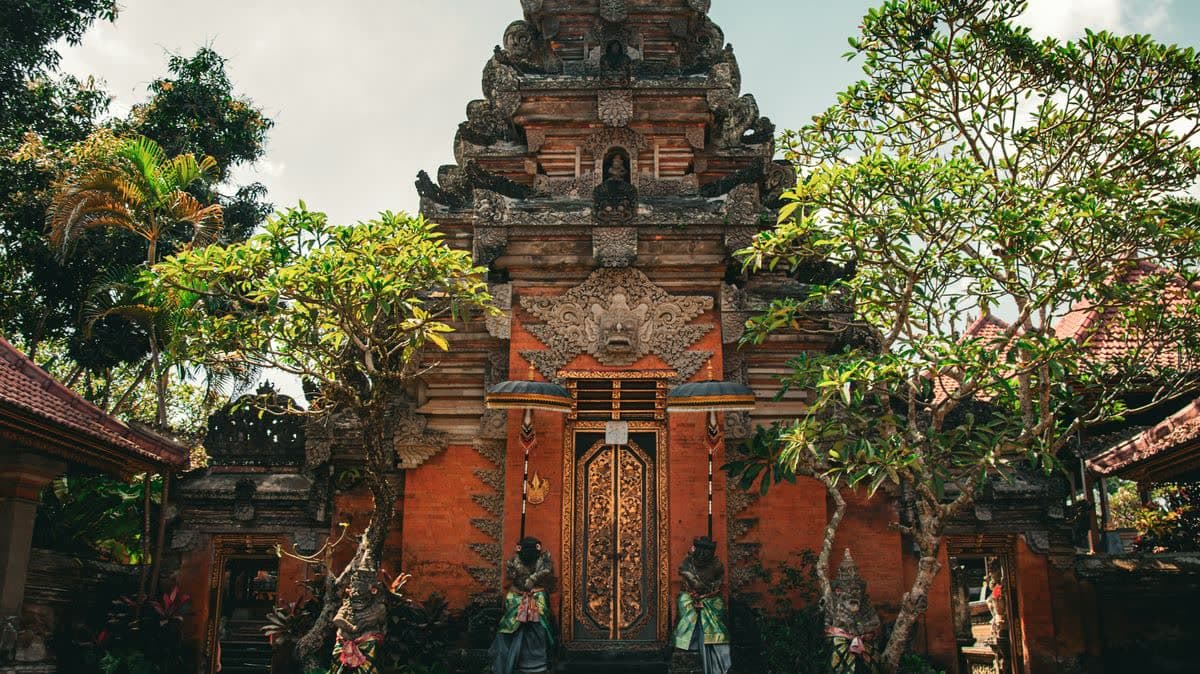
We came for two weeks. We work remotely and decided to swap winter for the ocean — an ordinary break like that. A month later we caught ourselves scrolling six-month villa rentals. It's not even about the beaches. It's the rhythm: warm mornings, cheap coffee, neighbours from a Russian-speaking chat, the sense that there's nowhere to rush. And the moment we seriously said to each other 'let's try living here', a dull but unavoidable question came up — on what grounds can you actually stay here legally. That's where it all started for us. A Bali visa turned our holiday into a relocation project faster than we expected.
It's a different system here
The first thing to accept: Indonesian visas aren't built like European ones, and there's simply no familiar Schengen-style residence permit here. There are short-stay visas — for being present and relaxing. And separately there's the KITAS, a temporary stay permit that works as residency. Which ground fits you depends on why you're coming: remote work, business, marriage to a local, retirement, a large investment. Each goal has its own category. Don't go looking for a universal 'best' option — there isn't one: what's handy for a freelancer won't suit an investor, and the other way round. We didn't grasp this straight away and tangled up the terms at first.
Short-stay visas and our first visa run
Like a lot of people, we started small — a visa on arrival (VOA) and a C1 tourist visa. C1 is usually issued for 60 days with the option to extend, and that gives you a few calm months of legal stay. You can work remotely for a foreign client on these visas, but you can't take a job with a local company — that's a separate story. When the term runs down, the visa run begins: a short flight to a neighbouring country and a return on a fresh visa. We did our first visa run in the third month — flew to Kuala Lumpur for the weekend and came back with a new stamp. It works, but it wears you down and can't go on forever. At some point you get tired of living out of suitcases and start thinking about something steadier.
KITAS: types and grounds
A KITAS is already a temporary stay permit, usually valid from six months to two years. With it, 'grown-up' island life begins: a local driving licence, a bank account, proper official transactions. There are several categories, and you'll have to pick yours. A work KITAS is tied to employment and comes with a separate work permit. An investor one is for people holding a stake in a local company. A family one goes through marriage to a citizen or resident. A retirement one is for older applicants with proven income. And separately there's a category for remote workers with verified foreign income — the one everyone's talking about now. Choosing your ground is the first and most important step: the whole document package follows from it, not the reverse.
Why you even need a sponsor
Here's what surprises a lot of people at first: almost every KITAS is arranged through a sponsor. For a work visa the sponsor is an employer, for an investor visa a local company, for a family visa a resident spouse. And in many cases a licensed agency takes on the sponsor's role. The point is that the sponsor carries part of the responsibility for you and takes part in the filing. So choosing a sponsor and formalising the relationship correctly matters as much as gathering the papers. We put it simply: without a clear sponsor, most long-term grounds are closed to you, no matter how you prepare the documents. And that's not bureaucratic nitpicking — it's what the whole structure is built on.
The long horizon: the Second Home Visa
If you're looking not one year but several years ahead and you have capital, the Second Home Visa is worth a look. It's issued for a long term and — a rare case — needs no sponsor. In exchange, the state wants to see your means: either a large deposit in an Indonesian bank or property of a substantial value. The exact thresholds are set by the government and revised from time to time, so check current figures at the moment of filing, not against someone's year-old post. Another key nuance: this visa usually doesn't allow employment. It's about living and being present on the island, not about working. For some people that's perfect, for others a dead end — it depends on your plans.
Extensions, timelines and rules that keep shifting
One thing to get used to in advance — you'll live in a rhythm of extensions. Short visas renew every couple of months, a KITAS every one or two years, and each renewal has its own documents and deadlines. Indonesia regularly rewrites its visa law: new categories appear, income and deposit requirements shift, procedures get adjusted. Because of this, online articles go stale before your eyes, and we ourselves twice ran into 'guides' that no longer worked by the time we read them. A mistake with a deadline or a ground can cost you your status, so plan with a time buffer and always check the rules for the current date. A friend's experience from last year is a poor guide.
How Grand Life helps here
We've walked this path ourselves and know where you stumble, so at Grand Life we start not with papers but with your situation: why you're coming, for how long, what your income is, whether you have work or business plans. From there, together with a lawyer, we select a suitable ground and a clear sponsor for you. Then we help gather and check the package, build the renewal calendar and support the filing — so you don't decode shifting procedures alone, the way we once did. And straight away, honestly, about the main thing: the final decision rests with Indonesian immigration, and no one can guarantee approval. We're responsible for correct preparation, not for the outcome. Whether you're already on Bali or just considering the move, leave a request and we'll review your case and suggest a realistic route to Bali residency.
Related services
Tours to this destination

FAQ
Do you guarantee a KITAS or residency?+
No. The final decision rests with Indonesian immigration. We help you choose the right ground, prepare the documents and support the filing, but we do not influence the outcome itself.
Can I work in Bali on a tourist visa?+
Short-stay visas usually allow remote work for a foreign client, but not employment with a local company. Working officially in Indonesia requires a separate category — a work KITAS with a work permit.
What is a visa run and is it mandatory?+
A visa run is a short flight to a neighbouring country and a return on a fresh visa when the current one expires. It's a stopgap for short visas; moving to long-term grounds such as a KITAS usually removes the need for it.
Do I need a sponsor for a long-term visa?+
For most KITAS types, yes: it can be an employer, a local company, a resident spouse or a licensed agency. Some formats, such as the Second Home Visa, need no sponsor but require proof of financial means.
How much money do I need for the Second Home Visa?+
It calls for a large deposit in an Indonesian bank or ownership of property of a substantial value. The exact thresholds are set by the government and revised periodically, so the current figure must be checked at the moment of filing.
Is it true that visa rules change often?+
Yes. Indonesia regularly updates categories, income and deposit requirements and procedures, so online articles go stale fast. We check the conditions for the current date and recommend building in a time buffer.