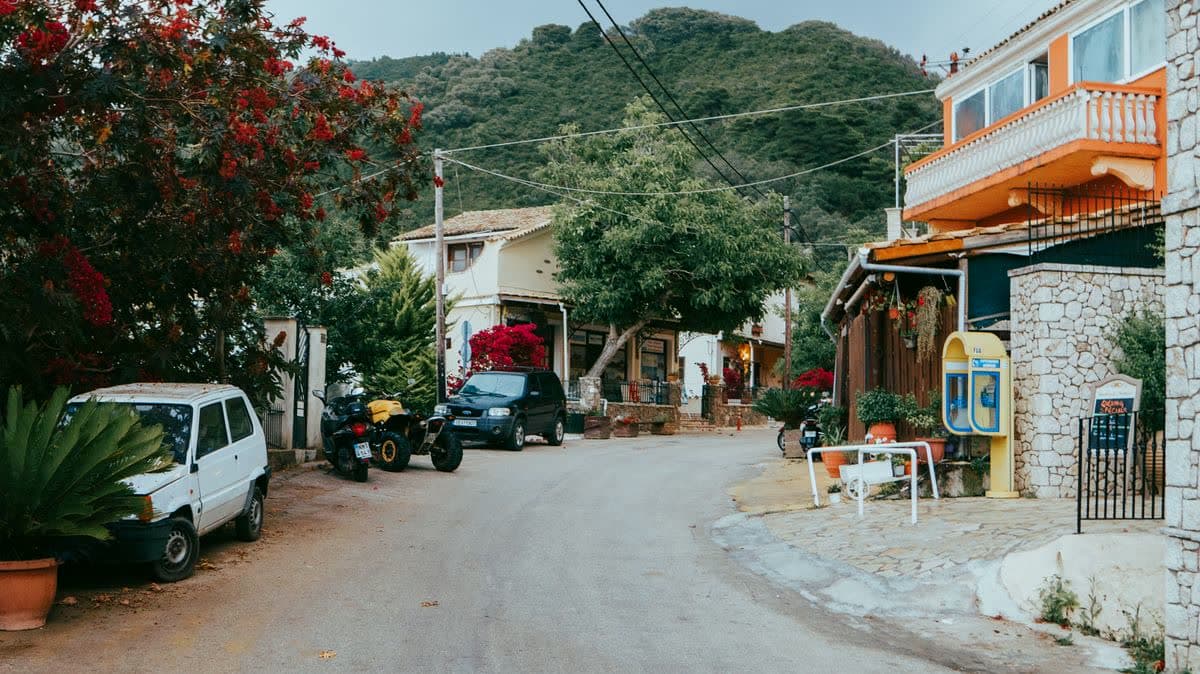
Renting in Greece for relocators: contract and AFM
We flew to Greece for ten days and stayed because of an apartment — that's how we learned how renting in Greece really works. Long-term rentals, the lease, the deposit, the AFM and Taxisnet, tenant rights and the traps. Step by step, honestly, with no promises.

How an apartment kept us in Greece
We booked a plain ten-day VIP tour. The sea, the old town, dinners by the water until midnight, coffee nobody rushes to finish. Around day seven, over dinner, someone said «what if we stayed for a season», and it stopped being a joke. We found a flat fast, by the way — the one with a balcony over a side street. Renting it on the spot was another matter: weeks went into documents and the lease. That pause stretched the trip, then quietly turned into a few months of living there. I'm keeping the story anonymous, but it's a familiar one. People don't stay in Greece for the cheap prices. They stay because ten days are enough to catch the rhythm of a place, and then housing becomes a problem you want to solve properly.
Long-term or short-term: where to begin
The first thing worth sorting before you move in is short-term versus long-term. A short-term, Airbnb-style rental helps at the start: a furnished flat, bills already included, keys almost right away. But per month it's usually noticeably pricier, and it gives no legal footing for registration or residency. A long-term rental is cheaper per month and comes with a registered lease you'll need for a pile of administrative steps. In return it asks for an AFM, often comes unfurnished, and shifts the utility accounts onto you. We did what many do: took a short-term place for a couple of months while wrestling with paperwork, then moved to a long-term lease. Which format suits you depends on your timeline and goals, and it's better to weigh it up in advance than on move-in day.
The lease and the three-year rule
A rental lease in Greece sets out the rent, deposit, term and termination conditions. Sometimes a clause on annual indexation hides inside, often within about 5%, and it's worth reading separately. One point matters a lot: for a primary residence, Greek law generally sets a minimum lease term of three years, even if the contract says less. That protection works in the tenant's favour. The lease itself, the one registered with the tax authority, is accepted in Greek, so translating and reviewing the terms before you sign is a must. And sign only an official lease. Verbal arrangements break the law and leave you unprotected if the owner suddenly asks you to move out.
Deposit and the empty flat
The deposit is usually one to two months' rent, and it's most often paid straight into the owner's personal account. At the end of the lease it comes back minus justified deductions for repairs or debts. Now the surprise waiting right at the door. Our flat was handed over empty: no electricity, no water, no internet, the accounts still in the previous tenant's name. We had to transfer all of it into our own name at the local offices, and that ate several days of running around. It happens a lot, so keep it in mind. If you share the flat, agree upfront on how you split not just the rent but the bills too. And don't abandon a flat with unpaid debts and no notice: a claim can land months later, and leaving a lease follows rules as well.
AFM and registering the lease on Taxisnet
In Greece almost everything hinges on the AFM — a nine-digit tax number. Without it you can't sign a lease, open an account or transfer utilities. And here a catch-22 shows up: the lease needs an AFM, and many steps need the lease. We got around it the local way, agreeing with the owner on a grace month while the number was issued. The good news: the AFM is open to non-residents too, including remotely, through a tax representative acting under a power of attorney. Usually that's a lawyer or accountant, with an apostille or consular legalisation. Once the lease is ready, the owner declares it on Taxisnet and you confirm it electronically. Only a lease registered through Taxisnet gives you legal footing and shields you from fraud.
Tenant rights and what to check first
It helps to know your rights before you sign. Greek law gives the tenant «quiet enjoyment» of the home: the owner can't enter without notice and your consent, except in emergencies, and must give reasonable notice, usually around a day, before an inspection or repair. Here's what should put you on guard: an owner who dithers about signing an official lease or registering it. That's a red flag, and you can walk away there. Before signing, check that the owner has the right to let the place, that the size and condition match what was promised, what the indexation and termination terms are, and how the heating works — central heating leaves a temperature gap between floors, and you feel it in winter. It's calmer when a proper lawyer reads the lease, not a translator app on your phone.
How Grand Life supports your rental
This is where we come in. Grand Life runs the rental step by step alongside a lawyer: we help you get the AFM, including remotely via a representative, go through the lease before you sign, check it legally and register it properly on Taxisnet. The point is simple — formalities shouldn't stall your move. You browse the actual properties on our partner real-estate portal, Estate Frontier: it gathers real flats and houses for long-term rent across Greek cities, while the legal and organisational side stays with us. We give our guidance as facts and support the process, but we don't promise particular terms or timelines: the outcome depends on the owner, the property and government procedures.
Where to start
If you catch yourself thinking «what if we stayed» on the flight home, it's a good moment to deal with housing. Leave a request: tell us the city, the format you want (short-term to begin with or a long-term lease straight away) and your timeline. We'll suggest where to start, bring in a lawyer and connect property search on Estate Frontier. It's a no-obligation talk, so you understand the steps and the pitfalls before you pay a deposit.
Rental and purchase live on the real estate site. We speak the relocator's language: a yearly contract, deposit, minimum term and whether the contract works for a residency application.
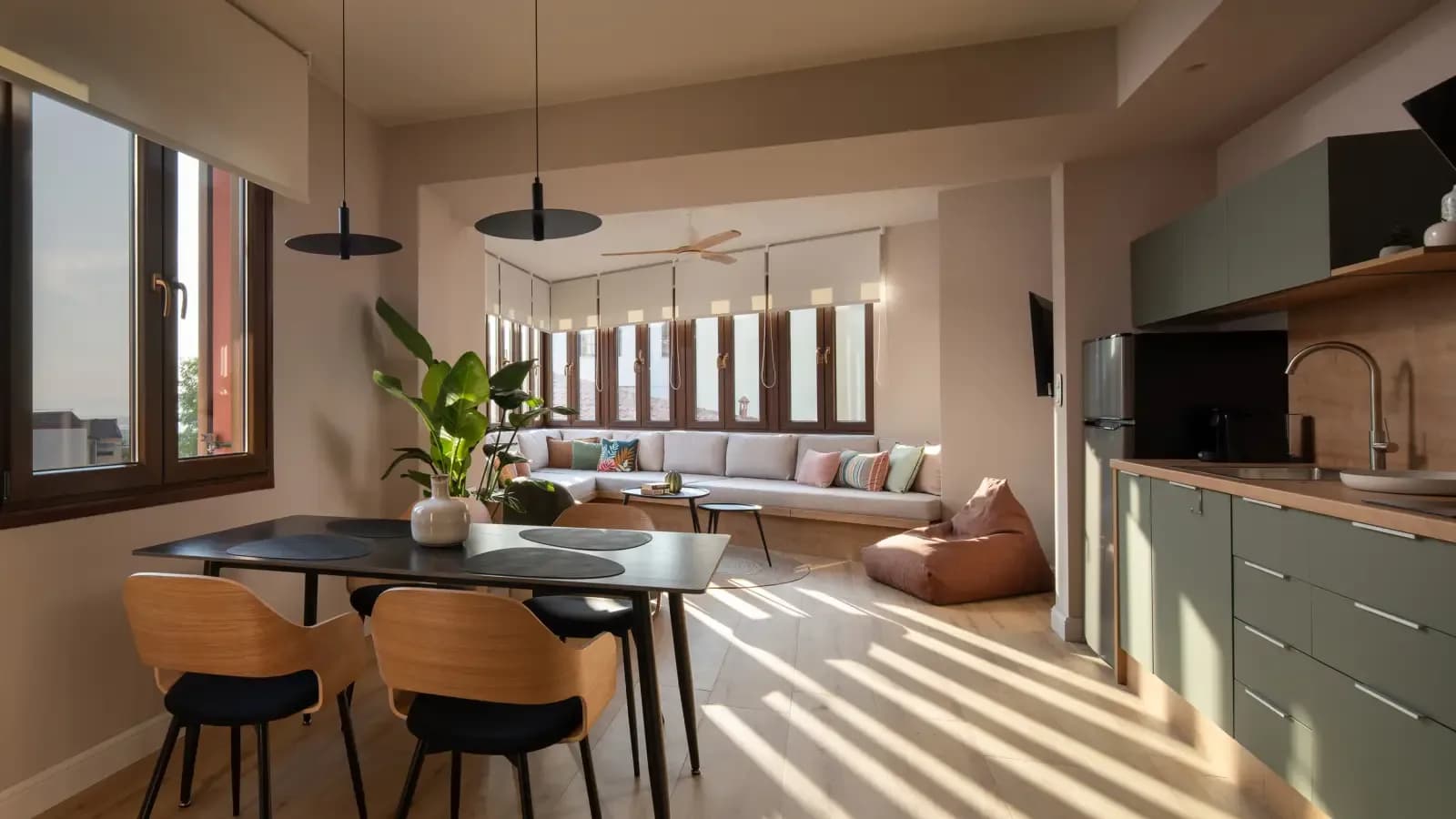
1-Bedroom Apartment in Thessaloniki, Ano Poli
Thessaloniki
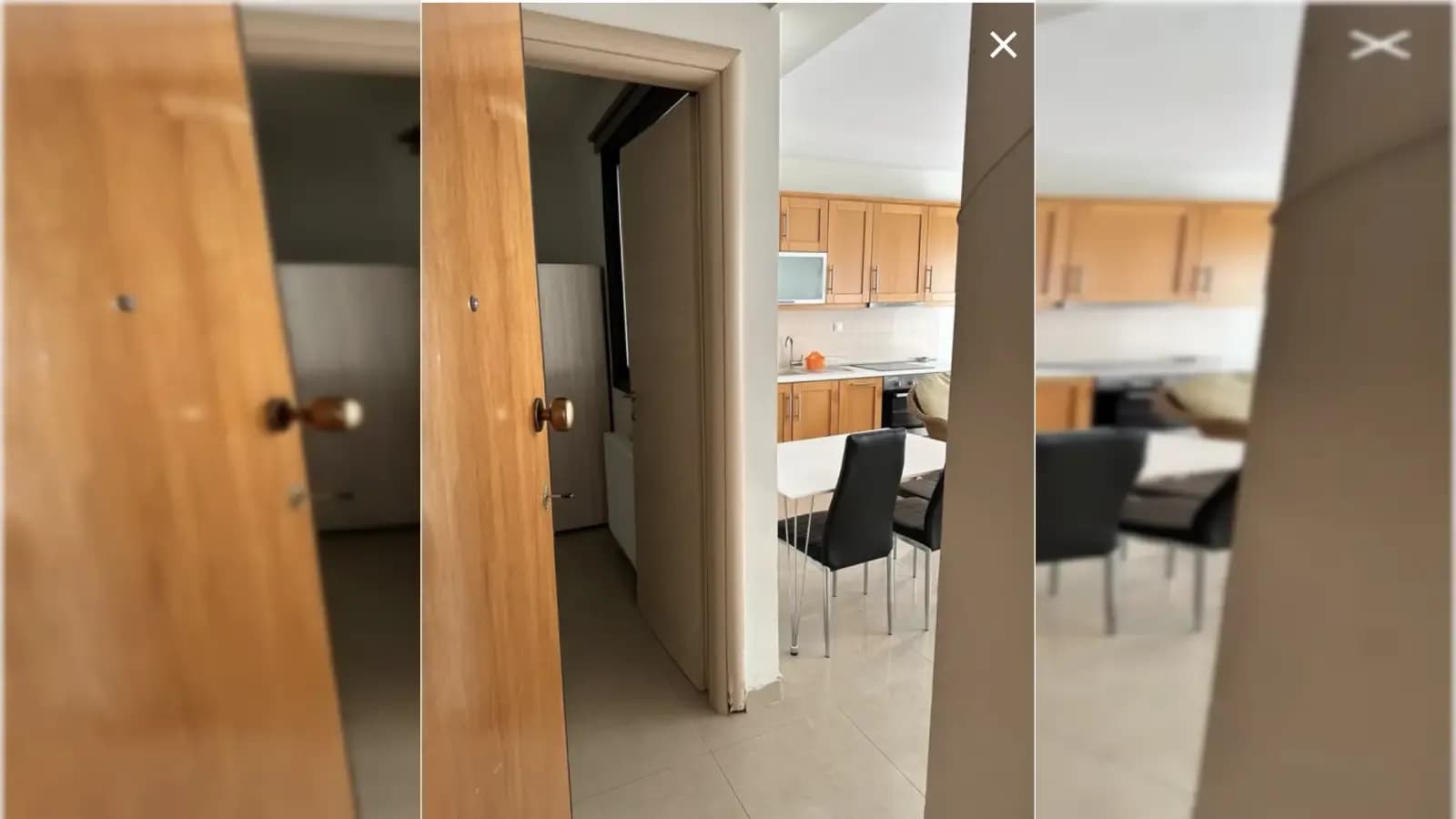
1-Bedroom Apartment in Thessaloniki, Pylaia
Thessaloniki
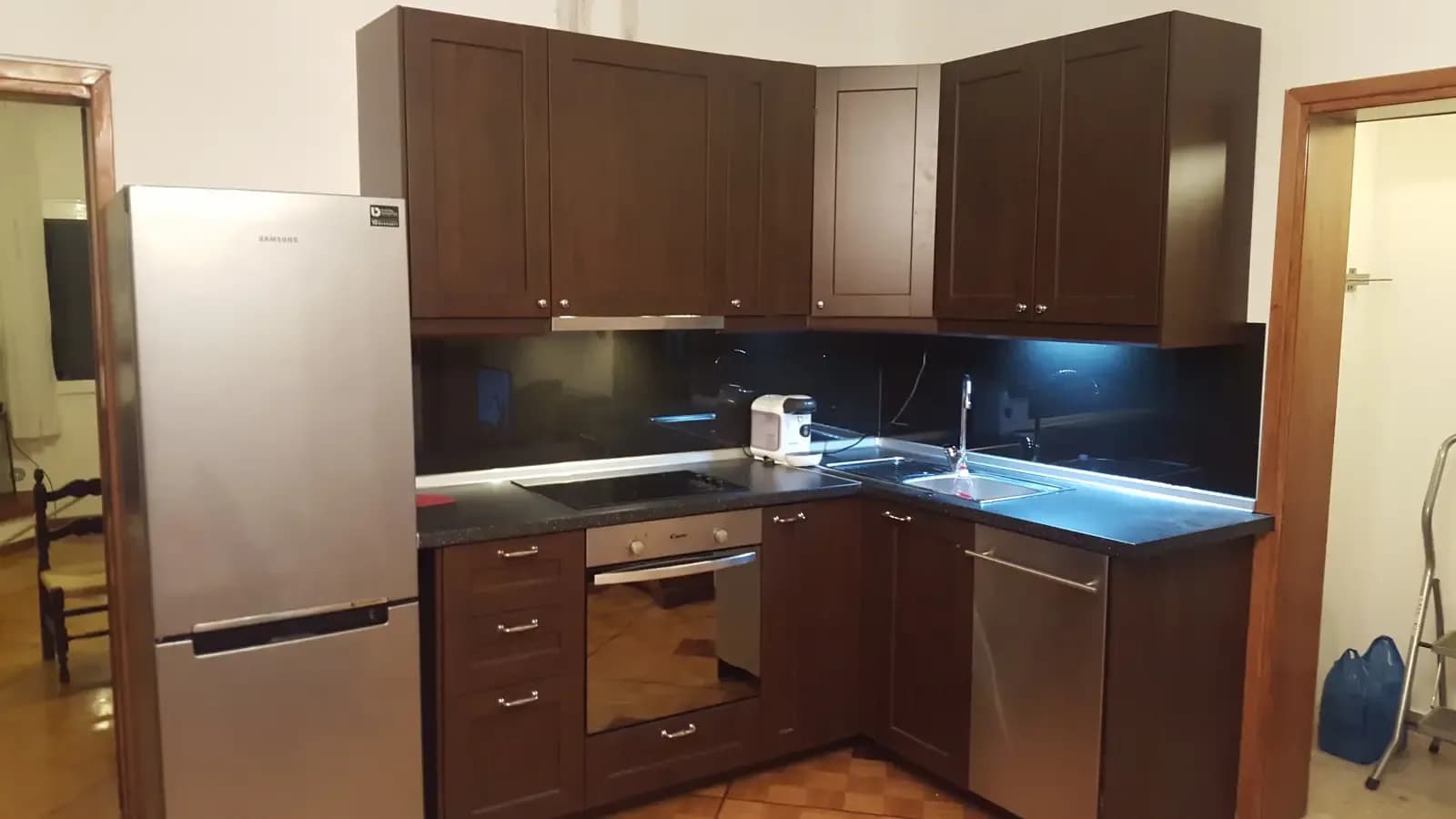
2-Bedroom Apartment in Thessaloniki, Kalamaria
Thessaloniki

2-Bedroom Apartment in Athens, Ioulianou
Athens
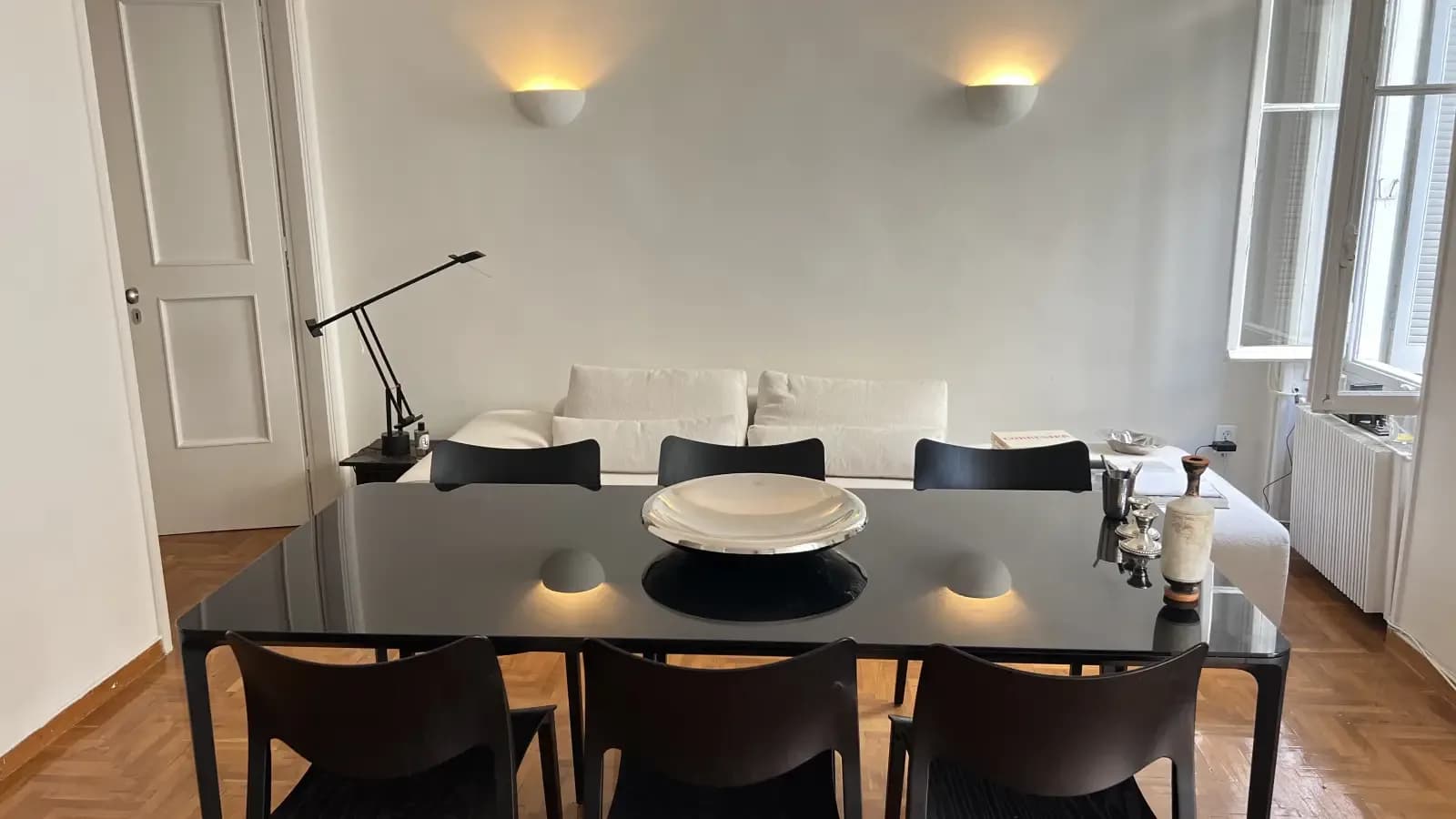
2-Bedroom Apartment in Athens, Dexameni
Athens
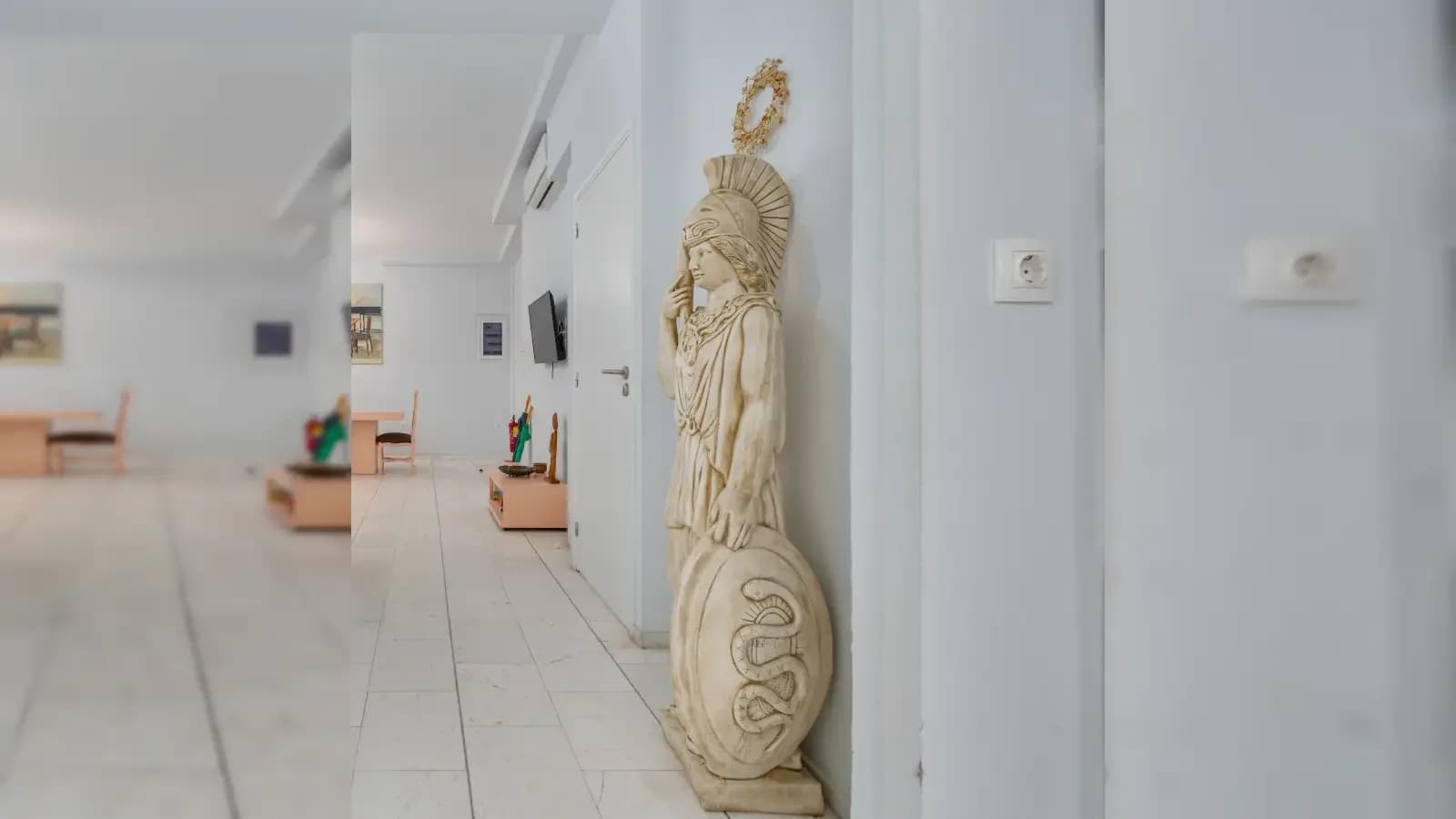
3-Bedroom Apartment in Athens, Ilioupoli
Athens
Related services
Tours to this destination

FAQ
Do I need an AFM to rent in Greece?+
As a rule, yes: the AFM tax number is needed to sign a lease, open an account and transfer utilities. It is available to non-residents too, including remotely via a representative under a power of attorney.
In what language is the lease made?+
The lease registered in the Taxisnet tax system is accepted in Greek, so translating and reviewing the terms before signing is essential.
What deposit is typical and is it refundable?+
Usually one to two months' rent, most often into the owner's account. At the end of the lease it is returned minus justified deductions for repairs or debts.
What is the minimum long-term lease term?+
For a primary residence, Greek law generally sets a minimum term of three years, even if the lease states less — this protection works in the tenant's favour.
Can I rent without an official lease?+
That is risky: an informal rental breaks the law and leaves you unprotected against eviction, while an unregistered lease raises the fraud risk. An official, registered lease is safer.
Where do I browse specific rentals?+
Property search runs on the partner real-estate portal, Estate Frontier, with real flats and houses across Greek cities, while Grand Life handles the AFM, legal review of the lease and registration.