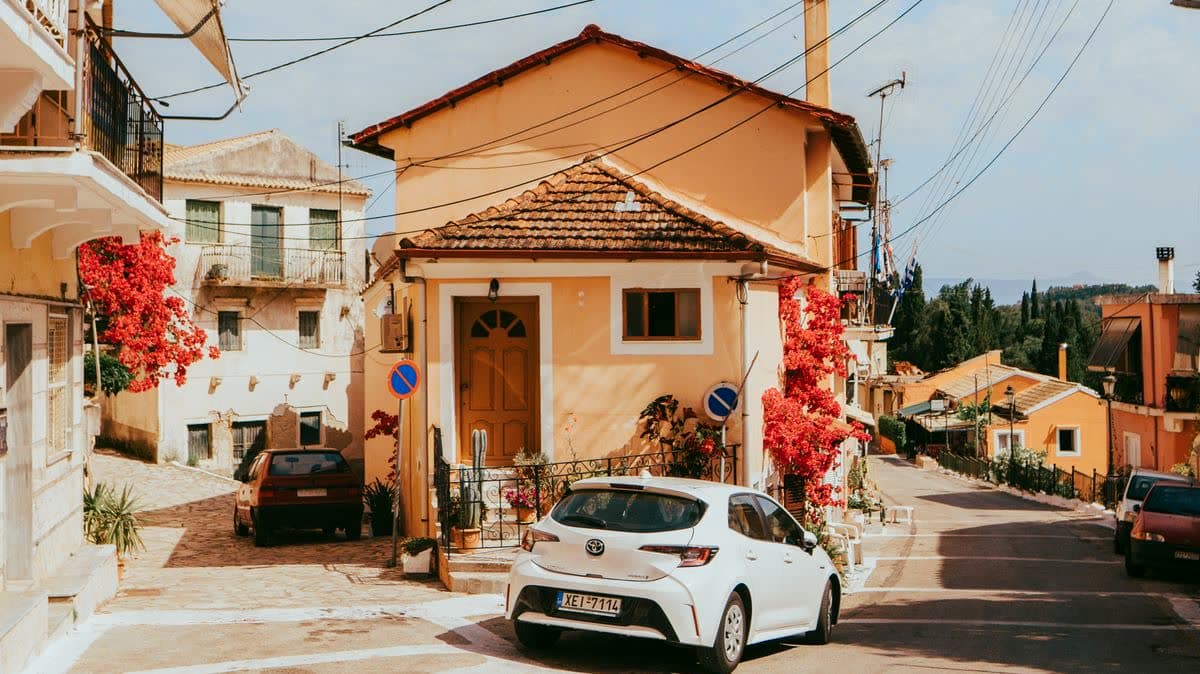
Residency in Greece: grounds and where to start
Our move to Greece told first-hand, plus a fact-based residency breakdown: where to start (AFM), the Greek golden visa and income-based grounds (FIP, digital nomad visa), thresholds, documents and timelines. Treat figures as a guide to reconcile when you apply; the state decides the outcome.
A week that turned into a move
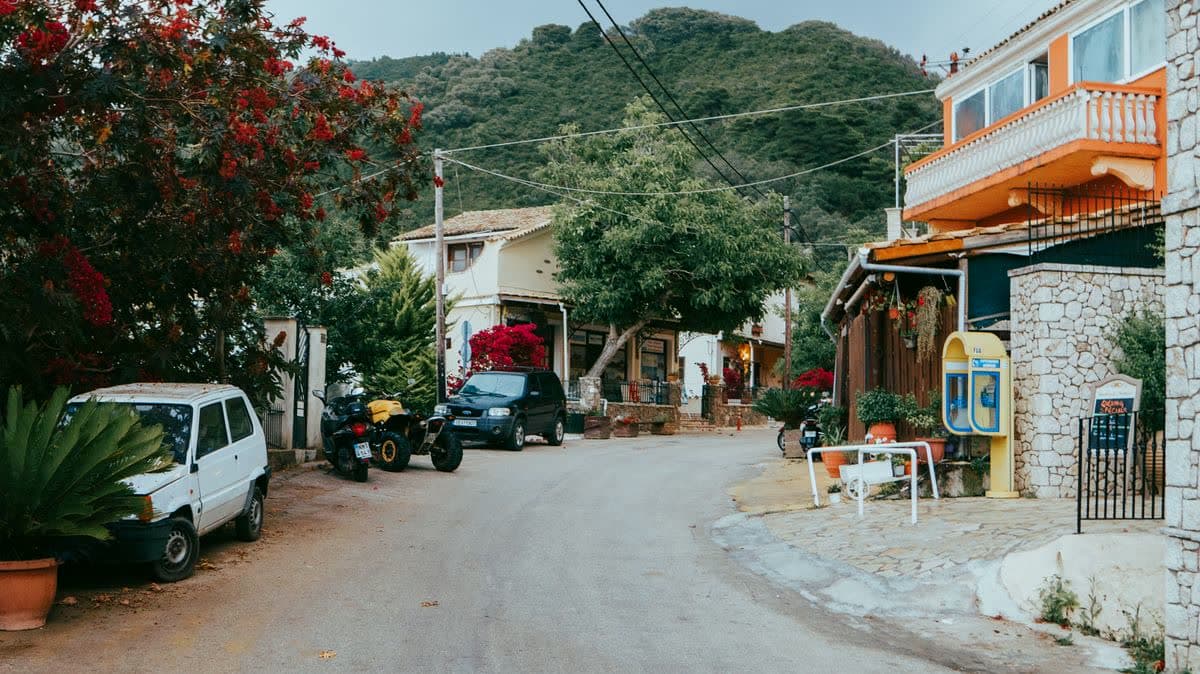
We booked a VIP tour of Athens and the Peloponnese for a week, meaning to 'look around and decide back home.' Ordinary things kept us. A school five minutes' walk for the younger one, the Saturday market, the sea forty minutes from the flat we were shown for a long-term rental. And one more thing: a fair few formalities are easier to start right there, while you're on the ground. Back home they can sit untouched for years. By the end of the trip we had a Greek tax number, a district we liked and a clear sense of which residency ground in Greece fit us. We flew home with a plan in our heads and came back a couple of months later to file. The account is anonymised and everyone's path differs. But it almost always begins with the same first steps, and that's what comes next.
AFM: the number everything starts with
AFM (ΑΦΜ) is the Greek personal tax number. Almost nothing moves without it: a rental contract, utilities, a bank account, a property deal, part of the residency filings. The good news is you can get an AFM before you're a resident. We sorted ours right on the tour, over a couple of visits, and thanked ourselves for it more than once. It's done through the tax office (ΔΟΥ/AADE): you'll usually need a passport and completed forms, often via a tax representative. Timelines and the exact list depend on the specific office and your case, so check the details on the ground and leave forums out of it.
The golden visa: property thresholds
The Greek golden visa is tied to buying property, and the thresholds here depend on location. Under current rules that's roughly €800,000 in the hottest zones (Athens, Thessaloniki, Mykonos, Santorini and several islands) and about €400,000 elsewhere. There's a more accessible track from around €250,000 if you convert a commercial property to residential or restore a listed building. Add the concrete conditions: a minimum size, purchase with your own money and no mortgage for the qualifying amount, and a ban on short-term letting of that home. Greece has revised these thresholds more than once and may change them again, so reconcile the exact figures at the time you apply.
Income instead of a purchase: FIP and digital nomad
Property isn't the only road. For a financially independent person (FIP) the ground is stable passive income. The current benchmark is from about €3,500 a month, with roughly +20% for a spouse and +15% per child; a multi-year deposit sometimes appears as an alternative. Sources include pension, dividends, rent, a portfolio. This ground usually won't let you take local employment inside Greece, though remote work for a foreign employer is generally allowed. Alongside it sits the digital nomad visa with a similar income bar. Which is realistic for you is a matter of specifics; we weighed the two ourselves and ran the numbers against our own situation. Reconcile the sums and add-ons at the time you apply.
Documents: what to gather in advance
The exact package depends on the ground, but the frame repeats every time: a valid passport, proof of housing in Greece, evidence of income or funds (statements, pension decisions), health insurance, police clearance certificates, papers for children and spouse. Much of it comes apostilled and sworn-translated into Greek, and that's what eats the most time. In our experience some documents are easier to prepare while you're on the ground: photograph the originals, make copies, sync with a representative. We usually build a checklist for the chosen ground and close the bottlenecks early, so apostilles and translations don't stall things mid-filing.
Timelines, renewal, the road to permanent residence
Review times depend on the ground and the authority's workload, so treat any figures here as a guide and reconcile them when you apply. They won't stand in for a promised date. Renewal logic varies too. An investment permit usually requires no minimum stay. Income-based grounds, at renewal, typically expect actual presence, on the order of 183 days a year. Beyond that lies the prospect of permanent residence after several years of legal stay and, if the conditions are met, naturalisation after a longer stretch. All of this is a framework with no guarantees: the requirements and the decision stay with the Greek state.
How it actually worked out for us
We took the income route: totted up the passive income, assembled the package, got translations and apostilles done ahead of time, and filed without a rush. Some things had to be re-requested, and a few took longer than we'd reckoned. But the AFM, the flat sorted in advance and a clear ground took most of the stress out at the start. We won't promise it'll go the same for you: everyone brings different inputs and gets a different answer from the authority. One thing we'll say plainly: starting early and on the ground turned out to be the most useful decision we made.
Where Grand Life fits in
For us the VIP tour works as a practical entry point. While you're on the ground we help you get the AFM, view districts for renting or buying, and test a residency ground against your situation, so the decision rests on facts. Forum horror stories are a poor adviser here. From there, under the 'Residency' and 'Relocation' services, we assemble documents, coordinate translations, apostilles and specialist providers, and support the filing. A Greek government authority makes the final decision and we don't promise approval; our job is to keep the path predictable and take the organisational load onto ourselves. Send a request with destination 'Greece' and the 'Residency'/'Relocation' services, and we'll review your case specifically and propose the next step.
Related services
Tours to this destination
FAQ
Do you guarantee residency approval?+
No. A Greek government authority makes the final decision. Grand Life helps choose the ground, assemble documents correctly and support the filing, but does not influence the outcome.
Do I have to buy property?+
No. Besides the property investment route there are income-based grounds via proven passive income (FIP) and the digital-nomad visa. Which is realistic depends on your situation.
What is the AFM and when should I get it?+
The AFM is the Greek tax number needed for renting, banking, utilities and property deals. You can obtain it before becoming a resident, so it's sensible to close this step early while you're on the ground.
How much do I need to live in Greece to keep residency?+
It depends on the ground. An investment permit usually requires no minimum stay, whereas income-based grounds typically expect actual presence at renewal (on the order of 183 days a year). Current terms are reconciled for your case.
Can I work in Greece on such a permit?+
Income-based grounds generally give no access to the local labour market but usually allow remote work for a non-Greek employer. The exact limits depend on the category and must be checked specifically.
Does residency lead to permanent residence and citizenship?+
There is a prospect of permanent residence after several years of legal stay and, if conditions are met, naturalisation after a longer period. This is a framework, not a guarantee: the decision and requirements rest with the state.