Moving to Spain: a step-by-step checklist
How a short trip to Spain becomes a move: NIE, empadronamiento, a bank account, a rental and residency. The real order of steps, timelines and pitfalls — from a family that went through it.
The trip that never ended
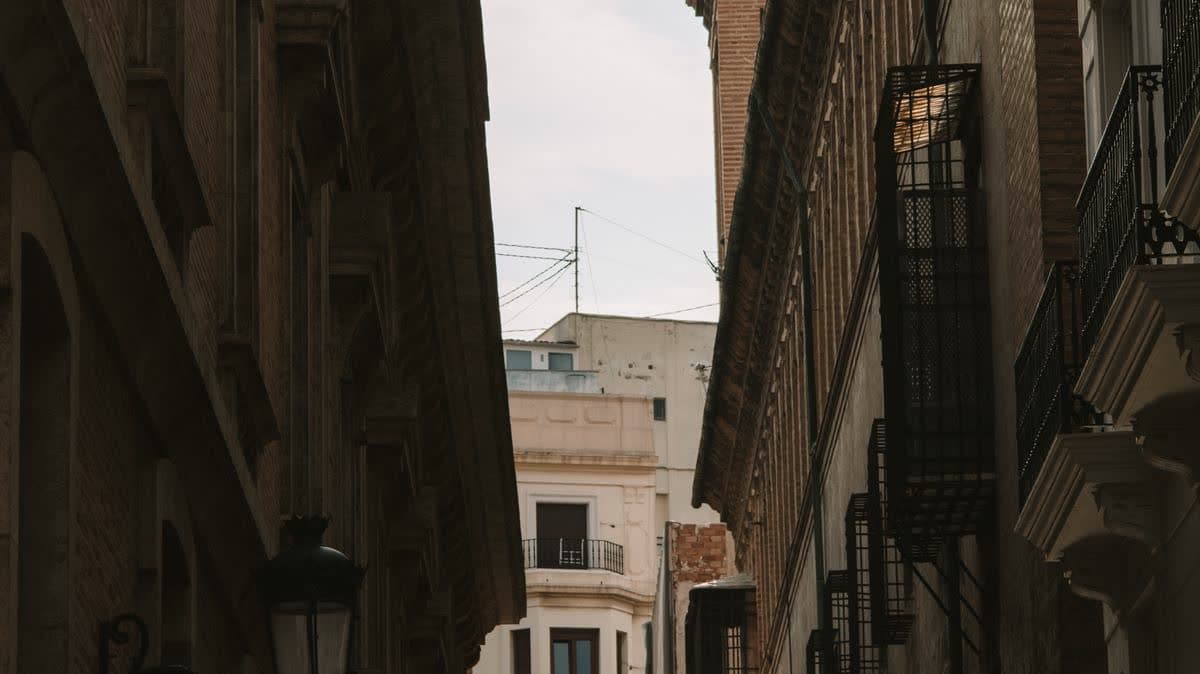
We flew into Catalonia for ten days. Barcelona, then somewhere quieter down the Costa Brava — a casual look with no plans behind it. It wasn't the sea that held us. It was the small stuff. In two weeks our daughter was chatting with the local kids in the courtyard. A pharmacy and a doctor sat five minutes away on foot. And the remote income that back home always tripped over the time zone simply stopped caring about it here. We pushed the return ticket once. Then again. One evening over dinner it was clear: the holiday had ended a while ago, we were living here. That's where the real move to Spain starts — turning 'we're happy here' into a status, an address, an account and a school.
NIE — the number it all starts with
The NIE (Número de Identidad de Extranjero) is a foreigner's identification number. You get it once, and it stays with you for life. Without a NIE you won't open a bank account, sign a rental, take out insurance or pay taxes in Spain. There are two routes: through a Spanish consulate back home together with your visa, or on the ground by appointment (cita previa) at the foreigners' office. And the real trap here isn't the paperwork. Free cita previa slots are chronically gone. We hunted ours for two weeks, refreshing the portal every morning like maniacs. Build that into your plan early. The NIE by itself isn't a right to live in the country; it's the key to every other door.
Empadronamiento: the Spanish registration
Empadronamiento is registration of residence at the town hall (ayuntamiento). What you walk away with is a certificado de empadronamiento. It's normally done within about 30 days of moving in, and it needs a rental contract or a property document. A dull piece of paper that holds up everything else. Without it, it's hard to register with a health centre, enrol your child in school or renew your residence. So the order is strict: housing first, then the rest. That's just how the process is wired. Document lists differ between town halls, so confirm with your own one.
A bank account, and why renting is also about money
A Spanish account is needed for a rental, utilities, insurance and plain everyday life. To open one, the bank will ask for your NIE. The usual order is NIE, then the account, then the rental. Landlords increasingly want to see a local account and proof you can actually pay. Owners and agencies ask for tax registration, an employment contract or statements showing incoming funds. The tighter your budget, the fussier the checks — we felt that across our first three rejections. With a bigger budget, options open up straight away and turn up faster. Russian bank statements for account history are usually accepted calmly, but every bank has its own rules, so check ahead.
Residency: on what grounds you stay
Spain scrapped the 'golden visa' in April 2025, so most people are left with two working routes. The digital nomad visa is for those working remotely for foreign clients; the share of income from Spanish clients is capped, roughly 20%, with the rest coming from abroad. The non-lucrative visa is for living on passive income or savings. The 2026 benchmark runs like this: about €28,800 a year for the main applicant plus around €7,200 per family member. You can't work in Spain on it, and you need private insurance with no deductibles or limits. In both cases the first permit is usually for a year, then renewals; after five years of legal residence, the road to permanent residence opens. Every figure is a benchmark for today, not a guarantee. Amounts, document lists and interpretations shift, so check them against your case at the time you file.
Documents and the apostille: where people usually stumble
What stalls a move is almost always the paperwork. The move itself is trivial next to it. Key residency documents (proof of income, contracts, statements, a police clearance) need a sworn translation into Spanish and, as a rule, an apostille. One typo means redoing it and losing weeks. We caught a couple of critical errors in our own certificates while assembling the file, before filing, and it saved us. Take housing at the first stage as a starting base for empadronamiento, without the ambition of 'forever': a signed rental unlocks registration, the health centre and school. One more variable is language. Without basic Spanish, dealing with government offices gets much heavier; don't expect English there.
School, the health centre, and why we stayed
Once registration and status are in hand, the everyday legalisation kicks in. Registering with a health centre (Centro de Salud) using empadronamiento and your NIE, enrolling your child in school — state or private, sorting out insurance. This is where our holiday finally ended for good. A schedule appeared, our own doctor, classmates for our daughter, neighbours we'd nod to. In the end we picked a small coastal town. The regional capital didn't fit us: we wanted it quieter, the rent cheaper, the sea and school five minutes away. There was no 'got the residency, done'. There were several months of steps in a row, each one resting on the last. And honestly, the hard part wasn't choosing the country. The hard part was the logistics of the crossing.
Turnkey relocation with Grand Life
Grand Life runs your move to Spain as one route. Not a stack of scattered tasks with you conducting the orchestra. We match the residency basis to your profile — digital nomad or non-lucrative, gather and sworn-translate the documents with an apostille, catch the cita previa slot, help with the NIE, empadronamiento and opening an account. Separately we take on finding housing suitable for registration and going with you to appointments, so you don't lose weeks to redo's and queues. We don't hand out 'you'll definitely get residency' guarantees: the decision always rests with the immigration authorities. What we own is a correctly assembled case, honest timelines and a clear order of steps. If you're already eyeing Spain, or coming back from a trip with a 'what if we stayed' in your head, leave a request and we'll work through your case: the basis, the budget, the timeline and the first step.
Tours to this destination
FAQ
Where do I start with moving to Spain?+
Almost everything hinges on the chain 'residency basis → NIE → housing → empadronamiento → bank'. First you decide the basis on which you stay (usually digital nomad or non-lucrative), then get the NIE and sign a rental, and only then arrange registration and an account. Order matters: many steps are impossible without the previous one.
What are NIE and empadronamiento — are they the same thing?+
No. The NIE is your lifelong foreigner identification number, needed for a bank account, rental, insurance and taxes. Empadronamiento is registration of your address at the town hall, resulting in a certificado de empadronamiento. The NIE answers 'who you are', empadronamiento answers 'where you live'; full legalisation needs both.
How much money do I need for the non-lucrative visa?+
The 2026 benchmark is about €28,800 a year for the main applicant plus roughly €7,200 per family member, with proven passive income or savings and private insurance without deductibles. Working in Spain on this visa is not allowed. This is a benchmark, not a guarantee: exact figures and requirements change, so they must be checked for your case at the time of filing.
Can I work remotely while living in Spain?+
Yes — that's what the digital nomad visa is for, designed for remote work for foreign employers and clients. The share of income from Spanish clients is capped (around 20%), with the rest coming from abroad. It's a separate basis with its own income and document requirements, which should be checked for currency.
What usually delays the move the most?+
Not moving your belongings, but paperwork and appointments. Sworn translations and apostilles, errors in the file that surface during preparation, and the perpetual shortage of cita previa slots eat up weeks. So plan documents and appointments early, and assemble the case so inaccuracies are caught before filing, not after a refusal.
How exactly does Grand Life help with moving to Spain?+
We run turnkey relocation: choosing the residency basis for your profile, gathering and translating documents with apostille, booking the cita previa, helping with the NIE, empadronamiento, finding housing suitable for registration and opening a bank account, and accompanying you to appointments. We don't guarantee the immigration authorities' decision, but we own a correct case and clear timelines. Leave a request and we'll work through your case.