Renting in Spain: contract, empadronamiento, timelines
We flew to Spain for a tour and stayed because of an apartment. A first-person take on how long-term renting in Spain really works: the NIE, the LAU contract, the fianza deposit, empadronamiento and legal checks. Facts and a step order, with no promises of outcome.

Came for a tour, stayed because of an apartment
We flew to Spain for a short VIP tour. The plan was simple: see a couple of cities, eat well, walk around, go home and think it over there. Renting a flat wasn't on the list at all. Then one evening we sat on a terrace, counted how many times that week we'd said 'let's just live here,' and realised the joke was over. That's when it got interesting. Good options went in a day, sometimes half a day. Landlords looked at us politely but warily: no NIE, no local history, no payslips in Spanish. Sorting out the papers and the contract took us nearly three weeks. In those weeks we settled into the neighbourhood, got to know the neighbours, found our café. The housing delay quietly turned a trip into a move. Hence our first honest takeaway: renting a flat in Spain is better planned ahead, before you fall for one particular balcony.
Long-term or temporada: the difference that changes everything
Spain almost has two separate rental markets, and they're easy to mix up. A permanent-home contract (vivienda habitual) under the LAU law gives you strong protection and the right to extend. A temporada contract is seasonal, up to 11 months, with fewer guarantees, closer to a tourist format. For a relocator the difference decides nearly everything: address registration and a pile of procedures hang on the long-term contract. We nearly signed a temporada ourselves, because it was offered faster and with fewer questions. Good thing we slowed down. If you're planning to live and sort out documents rather than winter for a season, you almost certainly need the long-term format. Pick the contract that fits your scenario. The one that's easiest to sign today often bites back later.
The NIE and the tenant's document folder
The NIE is Spain's foreigner identification number. Without it you most likely won't sign an official contract. Landlords usually ask for a passport, proof of income (recent payslips or an employment contract) and bank statements. Sometimes a guarantor (aval) or a bigger deposit gets added. The law doesn't ban renting to foreigners: the owner looks at solvency and cares little about nationality. From our experience, the most galling thing is losing a flat over an incomplete folder while your finances are perfectly fine. You go hunting for a missing statement, and the option is gone. So get the package together in advance and keep it ready in one file.
The LAU contract: term and rights
A long-term home contract is governed by the tenancy law, the LAU. The minimum term is usually a year. But you have the right to extend to 5 years if the owner is a private individual, and to 7 years if it's a company. After that, tacit renewal kicks in. You can leave earlier after the first 6 months by giving 30 days' written notice. These are facts, not promises. The specifics always hide in the contract text, so it's worth reading through before you sign, calmly, not on move-in day with suitcases in the hall.
The deposit (fianza): how much and where it sits
The classic deposit for a permanent home is one month's rent, the fianza in Spanish. The owner may ask for extra guarantees, but that's usually no more than three months in total. Then a detail that surprises many: by law the fianza is lodged in a regional-authority account, not left in the owner's pocket. It should come back within roughly 30 days after you hand over the keys. Drag it out and interest can build up. On move-in we filmed the whole flat on a phone: scratches, the old tap, a stain on the wall by the window. Sounds tedious, but at move-out there was nothing to argue about. We'd suggest the same.
Empadronamiento: the registration much depends on
Empadronamiento is registration of your residence at the town hall; locals call it the padrón. Surprisingly much hangs on it: enrolling kids in school, access to healthcare, exchanging your driving licence, renewing residency. And you won't manage to register just anywhere. The contract has to allow the address to be used for the padrón, and short-term properties often don't permit it. We tripped on this ourselves: liked an option, and it turned out no good for registration. So it's better to sequence the steps so housing and empadronamiento don't block each other.
Legal checks and common traps
Now the grim part. Two common troubles: a deposit withheld on a made-up pretext, and 'grey' renting without a proper contract, which later obstructs both registration and residency renewal. A separate story is scammers. The scheme is banal: they ask for prepayment on a flat you somehow can't view in person, and the owner is forever 'away'. A lawyer's cool head helps here. They check the contract and the landlord's authority before signing and before any money moves. Bringing a specialist in on time works out cheaper than clearing up the aftermath. We learned that from other people's stories and really didn't want to test it on ourselves.
How Grand Life guides this
Let's be honest about our role. We're not estate agents and we don't replace the owner. We support your move: we help define criteria, prepare documents, and line up the lawyer, bank and registration in the right order so the formalities don't stall your life. You view the properties themselves on our partner real estate portal, Estate Frontier, where there are real flats and houses across Spanish cities. And we speak the language of moving: term, deposit, whether this contract fits your scenario, how the empadronamiento will land. A VIP tour is handy here as a fitting room: live in a neighbourhood for a couple of weeks and see whether it's yours, before any decisions. Leave a request, tell us the city, the format you want and your timeline. We'll review your case and build a step order for your family. With no promises of outcome: the last word always rests with the flat's owner and with government procedures, and we can't sway those.
Rental and purchase live on the real estate site. We speak the relocator's language: a yearly contract, deposit, minimum term and whether the contract works for a residency application.

2-Bedroom Apartment on Carrer d'Aragó, Barcelona
Barcelona
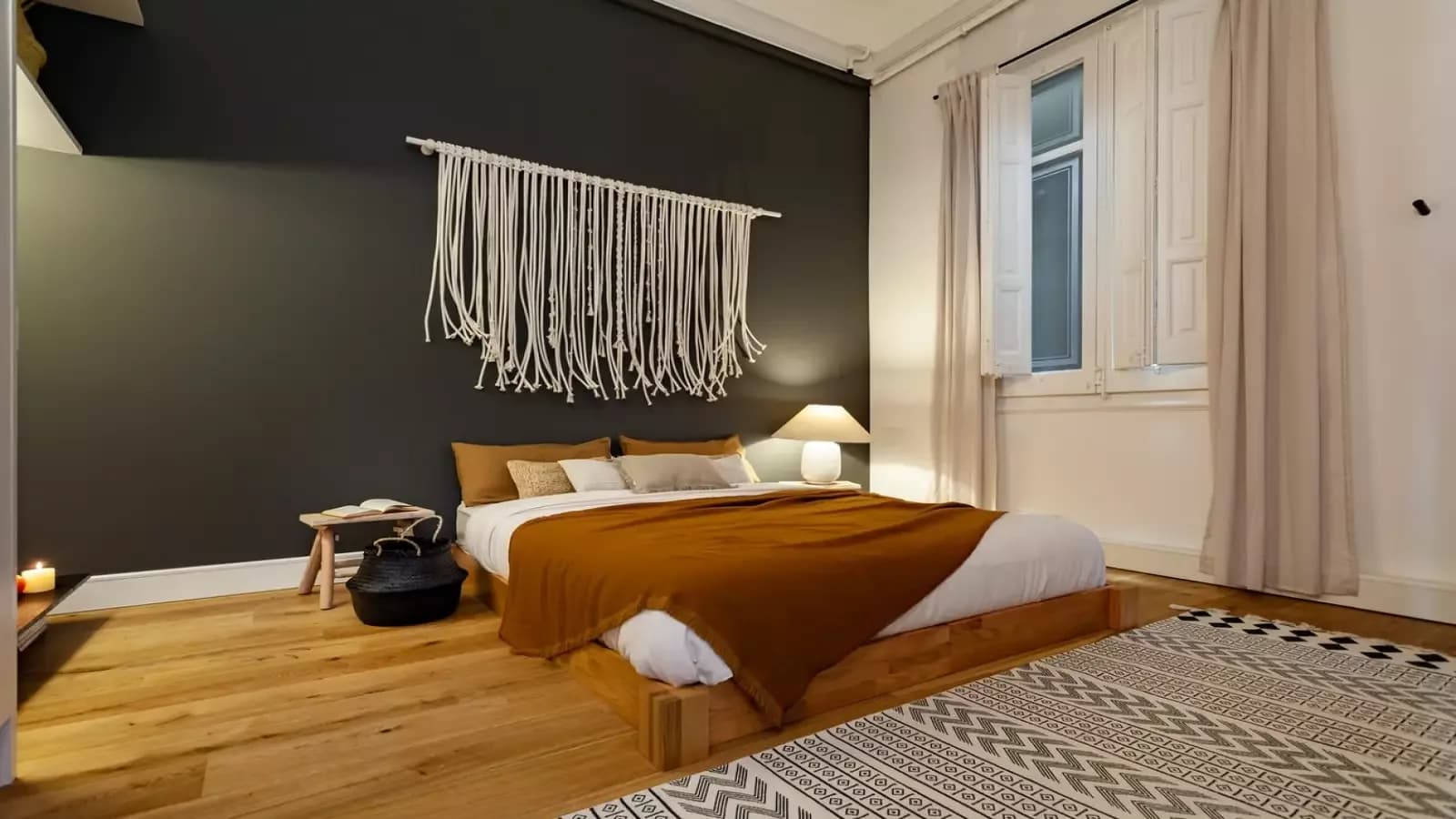
2-Bedroom Apartment in Barcelona, L'Esquerra de l'Eixample
Barcelona
3-Bedroom Apartment in Barcelona, Eixample
Barcelona

2-Bedroom Apartment in Barcelona, La Dreta de l'Eixample
Barcelona

2-Bedroom Apartment in Barcelona, Eixample
Barcelona

5-Bedroom Villa in Marbella, Sierra Blanca
Marbella
Related services
Tours to this destination

FAQ
Do I need an NIE to rent a flat in Spain?+
Signing an official long-term contract usually requires an NIE. Sometimes you can move in earlier, but the number is needed for the contract, the deposit and later procedures. We help obtain the NIE and prepare the document package in advance.
How does a long-term contract differ from a temporada?+
A permanent-home contract (vivienda habitual) under the LAU gives more protection and the right to extend; a temporada is seasonal, up to 11 months, with fewer guarantees. For registration and several procedures a relocator usually needs the long-term format.
How large is the deposit and will it be returned?+
Usually the fianza is one month's rent, plus possible additional guarantees (typically up to three months in total). The deposit is lodged with a regional authority and should return within about 30 days after the keys are handed back. We advise recording the flat's condition on move-in.
Can I do empadronamiento in any flat?+
No. The contract must allow the address to be used for the padrón, and short-term properties often don't permit it. It's worth checking before signing — we help account for it.
Does Grand Life pick specific flats?+
The properties themselves are on our partner real estate site Estate Frontier. Grand Life supports the move: criteria, documents, lawyer, registration and step order. We're not the owner and don't influence the owner's decision.
Where do I start?+
Leave a request and, if you like, add a VIP tour to try neighbourhoods on in person. We'll review your case, suggest a step order and bring in the right specialists — with no promises of outcome.