Taking a pet to Thailand: certificates and permit
We flew to winter in Phuket with our dog and nearly wrecked the move — we woke up to it three weeks out. Here's the honest version of how taking a dog to Thailand works: the DLD permit, the chip, the rabies shot, the titer question and quarantine — and where we almost tripped ourselves.
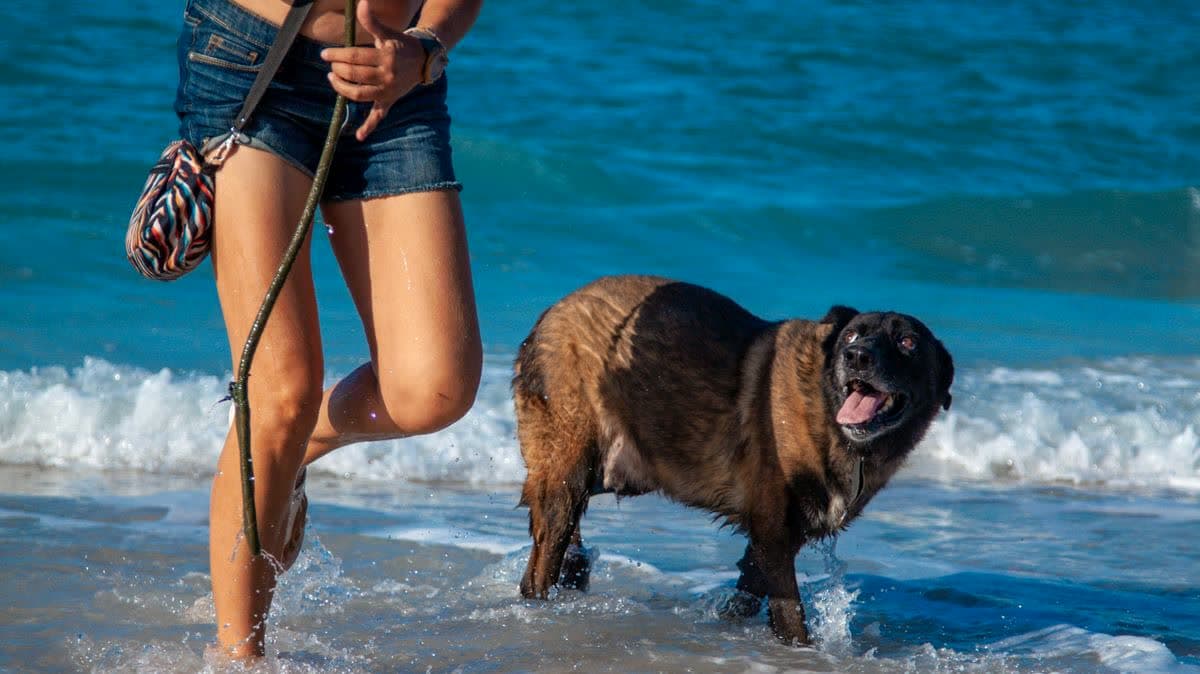
How we almost flew without our dog
We put the Phuket winter together fast: found housing, sorted the school, even lined up a bank account early. And we remembered the dog was coming with us three weeks before the flight. We sat down with the rules and went cold. The import permit isn't a same-day thing. The rabies shot, it turned out, had to be given much earlier. Some certificates can't be backdated at all. In the end we pushed the tickets by almost a month — painful, but there was no way around it. We flew calmly, and on arrival the dog was inspected and released without any quarantine. But the lesson stuck hard: the pet sets the timeline for the whole trip, not the other way round. Below I'll walk through how it works, so you don't build that pause into your own plans.
The DLD import permit: everything starts here
The first thing you'll need to import an animal into Thailand is a prior permit. The request goes to the Department of Livestock Development (DLD), and this is the document that most often sets your earliest possible date. Current guidance is to request it in advance, usually a week or more before departure, and it's valid for a limited window — around 60 days from issuance. On arrival it becomes the basis for your import licence. The practical takeaway is simple: count the calendar backwards from the flight. We counted forwards once and nearly got burned for it. DLD forms and requirements change from time to time, so it's worth verifying them for the specific trip before you file.
Chip and rabies shot: here the order matters
The trickiest part of the prep is the sequence, not the list. First the animal gets an ISO 11784/11785 microchip (15 digits), and only then the rabies vaccination. A shot given before the chip may simply not count, and then the whole clock starts over. The rabies shot itself has to be done in advance: current rules say at least 21 days before import. Beyond rabies, a dog usually also needs distemper, hepatitis, parvovirus and leptospirosis; a cat needs panleukopenia. There's an age bar too, a guide of around four months. We verify the exact intervals and list for your case, because the cost of a mistake here is measured in weeks of waiting.
The antibody titer: knowing when it's not needed also counts
A lot of people brace for the rabies antibody titer test (RNATT) well ahead and dread it. For a number of countries it really is mandatory and adds months to the timeline. The good news: for direct import into Thailand, by current guidance, a titer test is not required — a properly documented rabies vaccination is enough. Compared with, say, the EU or island jurisdictions, that makes life noticeably easier. There are caveats, though. Rules get revised, and if your route runs through a layover or transit in a country with its own requirements, those transit conditions are checked separately. So we always confirm the 'no titer' line against the current date and the specific route, rather than leaning on last year's experience.
The health certificate and the stamps: where people trip most
For the flight you'll need an international veterinary health certificate endorsed by the exporting country's government vet service. It's 'fresh' and lives only a few days, a guide of about 10 days before entry, so it's done at the very end. Often you also need an external and internal parasite treatment shortly before departure, roughly a week out. And here's a separate trap few people think about: the Thai side has historically accepted original paper documents with 'wet' ink stamps, not scans or digital copies. That means the endorsement logistics have to be arranged so the papers clear every office in time without expiring. We assemble the package in strict order precisely so no day gets lost reissuing a certificate that ran out yesterday.
Arrival: the quarantine station, the fee and the breed question
On arrival the animal passes through the airport quarantine station. There, against your permit, they issue the import licence and charge a small fee, a guide of around 500 THB per animal, usually cash. If the document package is complete and the pet is healthy, Thailand generally doesn't impose quarantine. That's how our dog was released, after the inspection. But the service keeps the right to hold an animal over questionable papers or health doubts, and that's worth keeping in mind. Check restrictions on certain breeds and on brachycephalic (short-nosed) dogs and cats separately — airlines often carry them with conditions. Here the terms depend on both Thailand and the carrier, so it's better to look into them early, before you buy tickets.
Air transport: cabin, hold or cargo
How the animal actually flies is decided together with breed and weight. A small dog or cat can go in the cabin in a soft carrier with some airlines. Larger ones travel in a heated hold or as separate cargo in a rigid IATA-compliant crate. Each carrier has its own limits, its own list of accepted breeds and its own rules for booking an animal's slot, and the number of pets per flight is capped. Because of that the animal's slot is booked in advance and separately from your ticket. We help match the route and carrier to your specific pet and sync the flight-booking dates with certificate readiness, so one doesn't expire the other. For us it was exactly that mismatch that pushed the tickets out by a month.
How Grand Life handles this, and where you start
Our 'pets' service is document and logistics support from the start all the way to boarding. We verify Thailand's current requirements for your route, build the calendar (chip, vaccinations, waiting period, certificates, DLD permit, flight booking) and coordinate the vet, the government endorsement and the carrier. If you fly to the scouting tour without your pet, we arrange boarding at home or in a vetted facility for the length of the trip. The boundaries are honest: we don't replace government bodies and we don't promise entry. The Thai veterinary-quarantine service decides on admission, and rules change. What we genuinely take off your plate is the risk of missing the deadlines, the very thing we stumbled on. Send a request with your travel dates and the animal's details (species, breed, age), and we'll come back with a step-by-step plan for your case.
Related services
Tours to this destination

FAQ
Does Thailand require a rabies antibody titer test?+
By current guidance, a titer test (RNATT) is not required for direct import into Thailand — a properly documented rabies vaccination is enough. But rules change, and transit through third countries may add its own conditions, so we confirm this for your travel date.
How far ahead should I start?+
The earlier the calmer. The rabies post-vaccination waiting period (a guide of 21+ days) and permit processing time are critical, while the certificates are 'fresh' and done last. It's sensible to allow several weeks and build the calendar backwards from the flight date.
Will my pet be quarantined on arrival?+
Usually, with a complete document package and a healthy animal, no quarantine is imposed, and the inspection happens at the airport quarantine station. But the Thai service retains the right to hold the animal over questionable papers or health doubts — no one can guarantee otherwise.
Are there breed restrictions?+
For certain breeds, and for short-nosed (brachycephalic) animals, conditions can differ — some depend not only on Thailand but on the airline's rules. This is worth checking before buying tickets; we verify restrictions for the specific animal and carrier.
Can I fly to the scouting tour without my pet?+
Yes, that's a common scenario: for the trip we arrange boarding — at home or in a vetted facility — and prepare the full export for the move separately, without the rush.
Do you guarantee my pet will be admitted?+
No. The Thai veterinary-quarantine service decides on entry, and requirements change periodically. We're responsible for correct, timely document preparation and logistics, but not for the authority's final decision.